
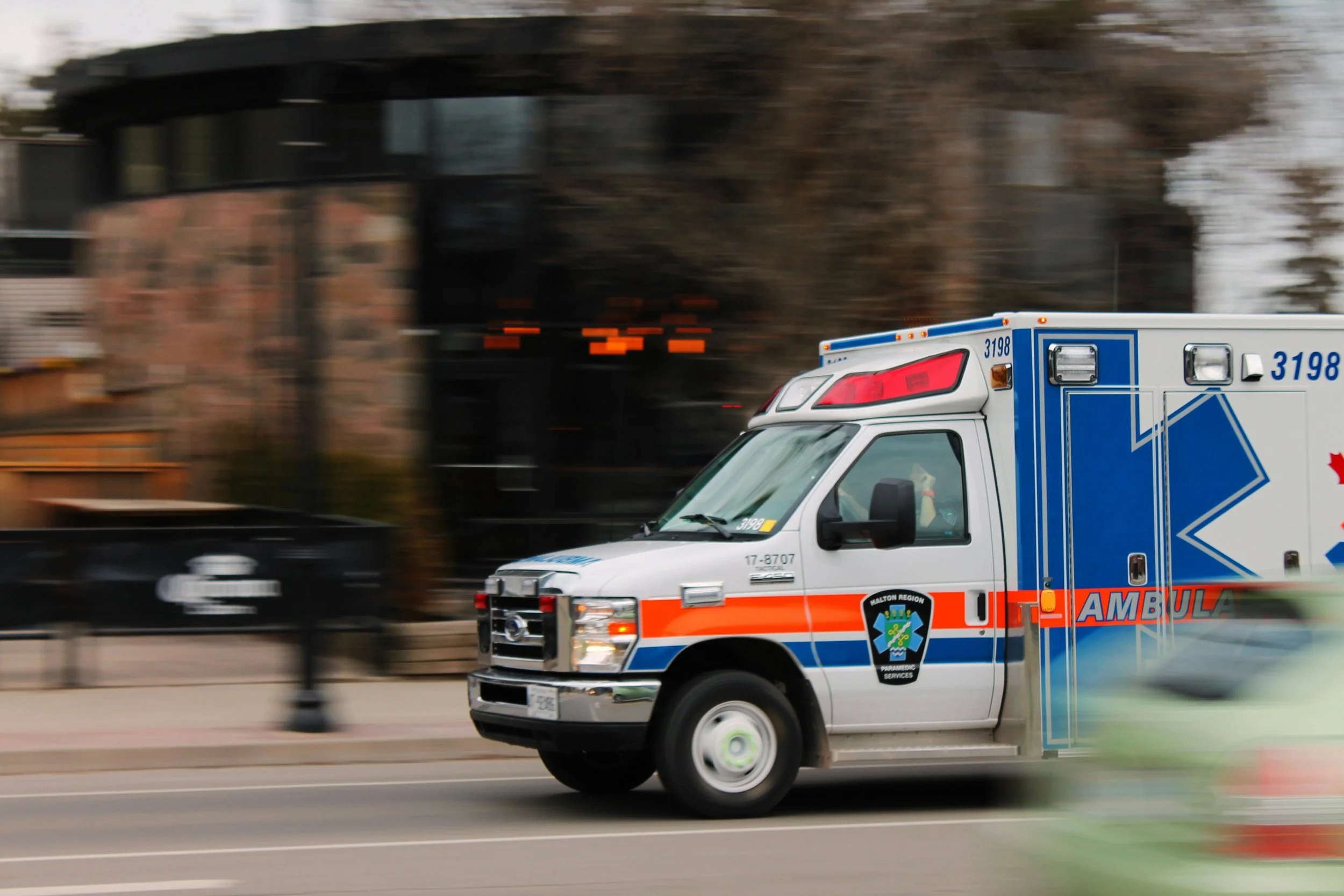
Practical education for the realities of trauma-exposed work
Education is the foundation of everything we do.
Our courses help first responders and other trauma-exposed professionals understand how repeated stress, trauma, responsibility, and loss can affect the brain, body, behavior, relationships, and ability to remain well over time.
Built through professional expertise, research, and lived experience, our education replaces vague conversations about resilience with language, tools, and strategies people can use both on the job and off.
Our Current Educational Library
Our existing self-paced course library addresses the mental, physical, relational, and organizational demands of emergency-services work. Many courses have been adapted specifically for fire, EMS, and emergency-communications professionals. Course titles are listed once below for clarity.
Understanding Stress, Trauma, and Recovery
These foundational courses help participants recognize the ways occupational exposure can accumulate over time, understand common trauma responses, and begin responding before stress becomes crisis.
Capturing the Load
Vicarious Trauma
Post-Traumatic Stress
Cumulative Stress and Compassion Fatigue
Had a Bad Call?
Grief for First Responders
Mental Health, Peer Support, and Crisis Response
These courses prepare participants to recognize behavioral-health concerns, respond more effectively to colleagues, and understand when additional support may be needed.
How to Better Support Your Fellow First Responders
Overcoming: Addressing Addiction as a First Responder
Managing Critical Incident Stress
Suicide Prevention
Whole-Person Wellness and Career Longevity
Long, healthy careers require more than responding to major incidents. These courses explore the daily practices that support physical health, recovery, performance, and long-term well-being.
Sleep, Rest, and Taking Care
Fit for Duty: Physical Fitness for the First Responder
Food as Fuel
Yoga for First Responders: An Introduction
Families, Culture, and Connection
Trauma-exposed work affects families, teams, and entire organizational cultures. These courses help participants strengthen the relationships and environments surrounding the work.
For Those Who Love a First Responder
The Way Forward
How to Better Support Your Fellow First Responders
Specialized Education
Our library also includes specialized and emerging-topic education developed in response to needs identified within the emergency-services community.
Being a First Responder During a Global Pandemic
C.A.R.E.S.: Child Abuse Recognition and Reporting for Emergency Services
I would probably leave the pandemic course available to existing students but not feature it prominently on the new site. It can sit under “Legacy and Special-Topic Courses” rather than appearing as a major part of the current foundation curriculum.
Expanded Educational Library Coming Soon
We are building a new, expanded educational library that will carry this work into its next chapter.
The new library will build upon our existing courses while introducing updated education for trauma-exposed professionals, families, leaders, peer-support teams, clinicians, and organizations.
It will include:
New self-paced courses
Short, practical learning modules
Recorded workshops and webinars
Downloadable tools and implementation guides
Role-specific educational pathways
More resources for families and partners
Leadership and organizational education
Continuing education for clinicians and other support professionals
New topics will include Nervous System Literacy, the 3 R’s of Resilience™, trauma-informed leadership, family resilience, organizational culture, and career longevity.
Our goal is to create a growing educational home that people can return to throughout the full course of a trauma-exposed career—from entry into the field through leadership, major life transitions, retirement, and beyond
Current Student Access
Our existing courses remain housed on our legacy learning platform while we complete the transition to a new foundation-owned educational system.
Students who are currently enrolled should continue using the existing portal to access their courses.
CURRENT STUDENT LOGIN